GitHub redesign

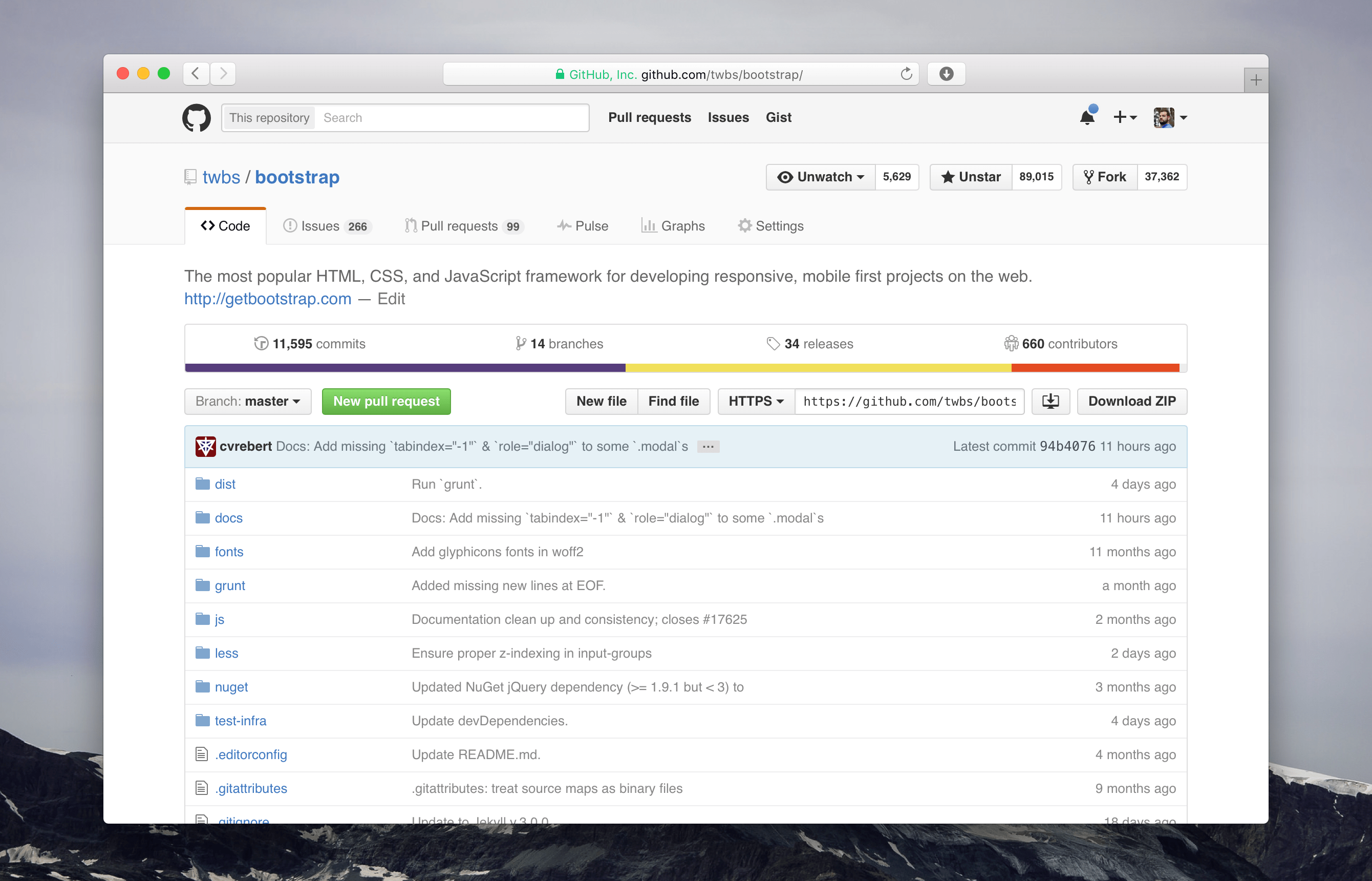
github interface

About a month ago, GitHub revealed its redesigned interface.  It gets better and better with every iteration.  But this time also got a feeling of deja vu, whic took me a while to figure out.  And finally I did.  The navigation menu went from right side to the top.  And it’s not the first time it’s there.

Here is a link to the Refactoring GitHub’s Design blog post (I linked to it before), which explains some of the design decisions and the menu on the right.  Among other things, there’s a screenshot of how things used to be before.  Have a look.
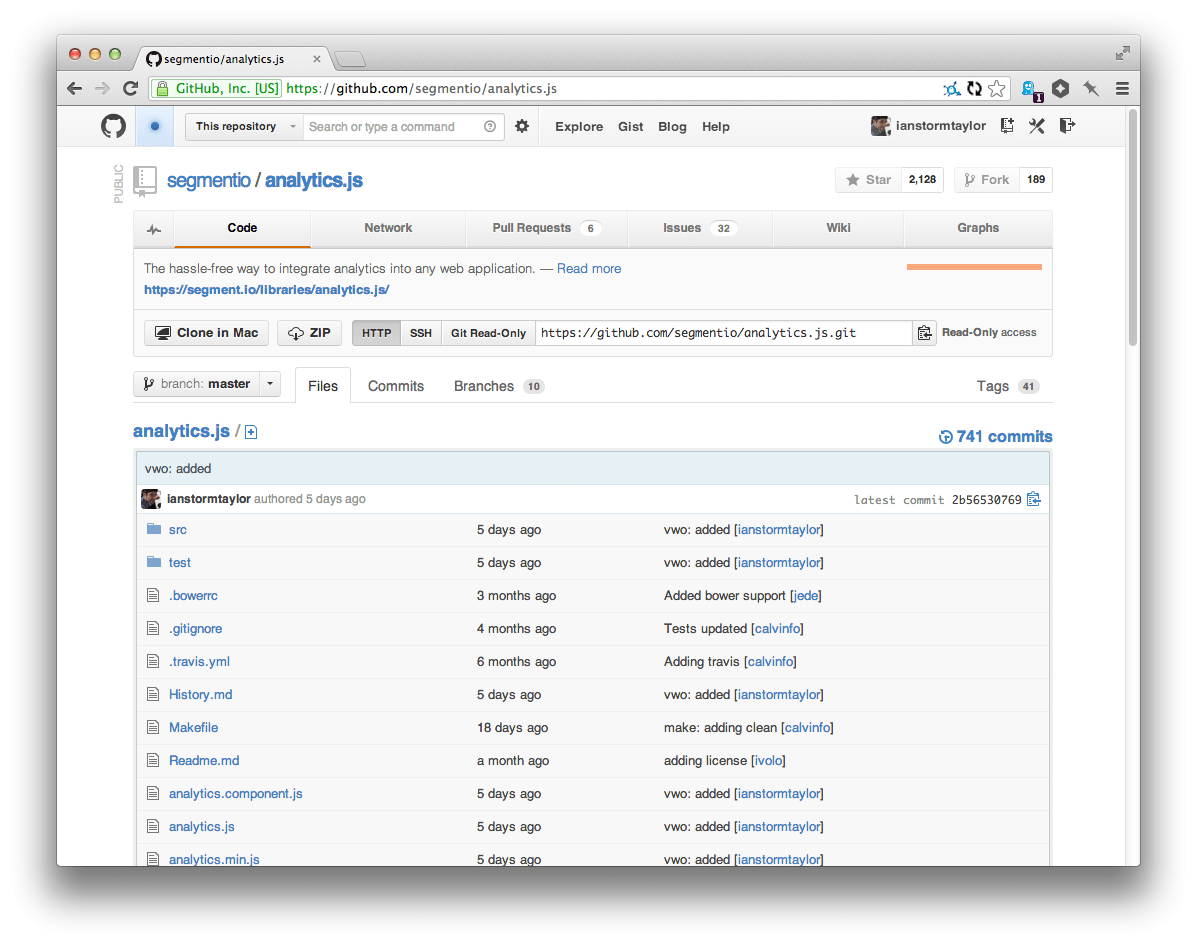
old-github

It’s not identical, but it’s pretty close.

CPU Steal Time. Now on Amazon EC2

Yesterday I wrote the blog post, trying to figure out what is the CPU steal time and why it occurs.  The problem with that post was that I didn’t go deep enough.

I was looking at this issue from the point of view of a generic virtual machine.  The case that I had to deal with wasn’t exactly like that.  I saw the CPU steal time on the Amazon EC2 instance.  Assuming that these were just my neighbors acting up or Amazon having a temporary hardware issue was a wrong conclusion.

That’s because I didn’t know enough about Amazon EC2.  Well, I’ve learned a bunch since then, so here’s what I found.

Continue reading CPU Steal Time. Now on Amazon EC2

NAS Performance: NFS vs Samba vs GlusterFS

I came across this question and also found the results of the benchmarks somewhat surprising.

  • GlusterFS replicated 2: 32-35 seconds, high CPU load
  • GlusterFS single: 14-16 seconds, high CPU load
  • GlusterFS + NFS client: 16-19 seconds, high CPU load
  • NFS kernel server + NFS client (sync): 32-36 seconds, very low CPU load
  • NFS kernel server + NFS client (async): 3-4 seconds, very low CPU load
  • Samba: 4-7 seconds, medium CPU load
  • Direct disk: < 1 second

The post is from 2012, so I’m curious if this is still accurate. Has anybody tried this? Can confirm or otherwise?

Also, an interesting note from the answer to the above:

From what I’ve seen after a couple of packet captures, the SMB protocol can be chatty, but the latest version of Samba implements SMB2 which can both issue multiple commands with one packet, and issue multiple commands while waiting for an ACK from the last command to come back. This has vastly improved its speed, at least in my experience, and I know I was shocked the first time I saw the speed difference too – Troubleshooting Network Speeds — The Age Old Inquiry


How Far Can You Go With HAProxy and a t2.micro

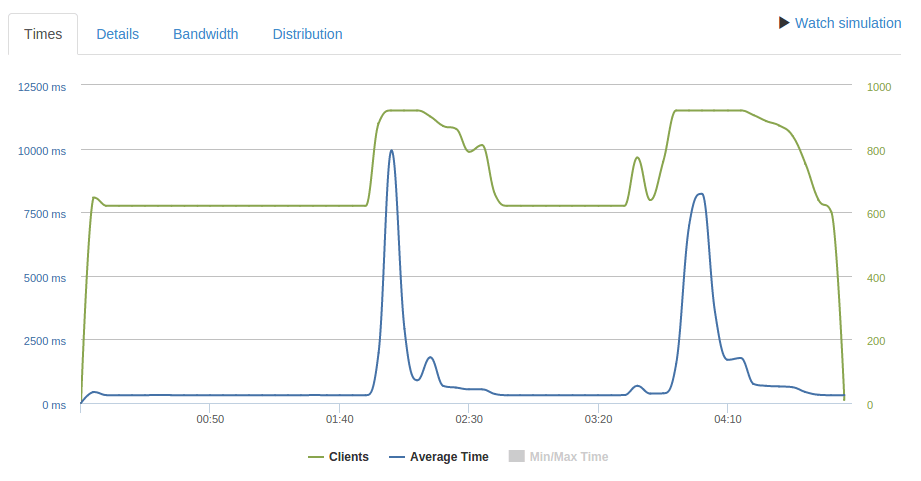
Here’s an interesting set of experiments trying to answer the question of how far can you go with HAProxy setup on the smallest of the Amazon EC2 instances – t2.micro (1 virtual CPU, 1 GB of RAM).  Here’s the summary.

460 requests/second

At 460 req/second response times are mostly a flat ~300 ms, except for two spikes. I attribute this to TCP congestion avoidance as the traffic approaches the limit and packets start to get dropped. After dropped packets are detected the clients reduce their transmission rate, but eventually the transmission rate stabilizes again just under the limit. Only 1739 requests timeout and 134918 succeed.

[…]

It seems that the limit of the t2.micro is around 500 req/second even for small responses.