Shell Style Guide from Google

For all of you out there writing millions and millions of shell scripts to glue the world together, here’s a useful Shell Style Guide from Google.  It is very Bash-centric and covers all the usual bits and pieces: comments, formatting, naming conventions, allowed features and recommended best practices.


git worktree – a better way for git stash abusers

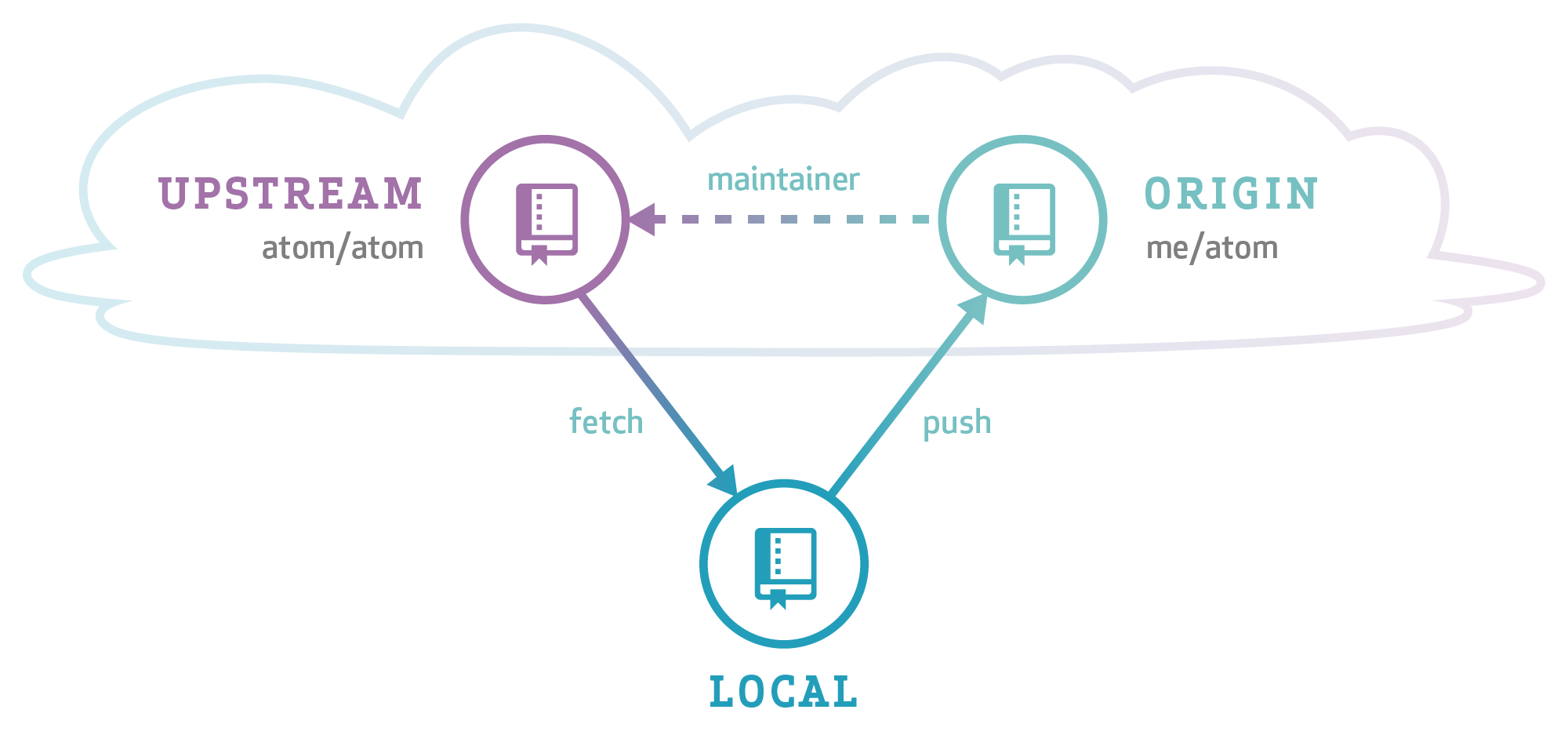
If you constantly find yourself using “git stash” while working on a project, or, even worse – have multiple copies of the same project cloned on the same machine, “git worktree” might be a much better alternative for you.

Manage multiple working trees attached to the same repository.

A git repository can support multiple working trees, allowing you to check out more than one branch at a time. With git worktree add a new working tree is associated with the repository. This new working tree is called a “linked working tree” as opposed to the “main working tree” prepared by “git init” or “git clone”. A repository has one main working tree (if it’s not a bare repository) and zero or more linked working trees.

When you are done with a linked working tree you can simply delete it.

Here are a few links to get you started:


When and where to determine the ID of an entity

It always amazes me when I randomly come across an article or a blog post precisely on the subject that I’m mulling over in my head – all without searching specifically for the solution or even researching the problem domain.  It’s almost like the universe knows what I’m thinking and sends help my way.

When and where to determine the ID of an entity” is an example of exactly that.  Lately, I’ve been working with events in CakePHP a lot.  And for one particular scenario, I was considering the beforeSave() event in the model layer, which would trigger some functionality that modifies data in other models.  So, having a reference of the current ID would be useful for debugging and logging purposes.  But since the current entity hasn’t been saved it, the ID is not there.   And that’s where I started thinking about this whole thing and considering where is the right place to generate the ID.

One thing that kind of bothered me on top of the theoretical discussion, was the practical implementation, especially in different frameworks.  If I remember correctly, the earlier version of CakePHP framwork, used the presence or absense of the ID in the entity to differentiate between insert and update operations.  It might still be true now, but at least there is a way to work around it, as CakePHP now has isNew() method to check if the entity needs to be inserted or updated.
 

A guide for how to talk to a developer

A guide for how to talk to a developer“:

We built this resource to help you better communicate with any developers and other technical people that you work with. These flashcards teach and review basic technology vocabulary and computer science terms. We hope it’s helpful to you as you hire, manage, and collaborate with software engineers, your CTO, or other members of your technical team.

The guide is a collection of flip cards, broken down into three categories:

  • Computer Science (29 cards)
  • Languages and Frameworks (25 cards)
  • Developer Tools (12 cards)

Super cool!