Design Patterns for Humans

Design Patterns for Human is an excellent effort to explain design patterns in plain words and simple examples.

Design patterns are solutions to recurring problems; guidelines on how to tackle certain problems. They are not classes, packages or libraries that you can plug into your application and wait for the magic to happen. These are, rather, guidelines on how to tackle certain problems in certain situations.

This collection is useful both for novices who are just trying to figure out what design patterns are and how to use them, and experienced developers who need a quick reminder once in a while.  Shorter than a book, simpler than Wikipedia.

WordPress Plugin : WP-CFM – manage and deploy WordPress configuration changes

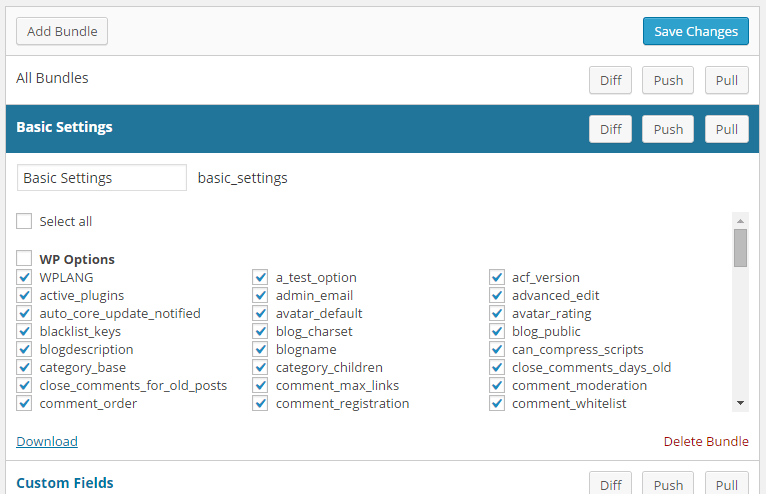
WP-CFM is a WordPress plugin which helps to manage and deploy WordPress configuration changes between different sites.  I haven’t tried it myself yet, but it looks super useful as it allows to separate the configuration options from the content, both of which are stored in the database.  The cherry on top here is the support for WP-CLI, command line interface to WordPress, which is frequently employed for automatically deploying WordPress to different servers and environments.

I have a feeling this plugin will be making its way into our project-template-wordpress setup pretty soon.

Terminals Are Sexy

Terminals are sexy is a curated list of Terminal frameworks, plugins & resources for CLI lovers.  There is plenty of links to applications, plugins and configurations.  For me personally, the most useful one was the link to sensible Bash configuration.

How to handle configuration in PHP

Kevin Schroeder has a blog post about the tool that he is building for configuration management in PHP.  The library is still in the early pre-release stage, but it looks like it solves quite a few problems related to configuration, like nesting, inheritance, and environment/context variation.

Here’s the YouTube video that provides a bit of introduction into how to use the tool, and what to expect of it.

The only thing that dials down my excitement in this implementation is the use of XML, even though I understand why he opted for this choice.

I will need a PHP configuration management solution soon, but the priority hasn’t been raised high enough yet for me to jump into the research.  If you know of any other similar tools, please let me know – it all will come handy pretty soon.