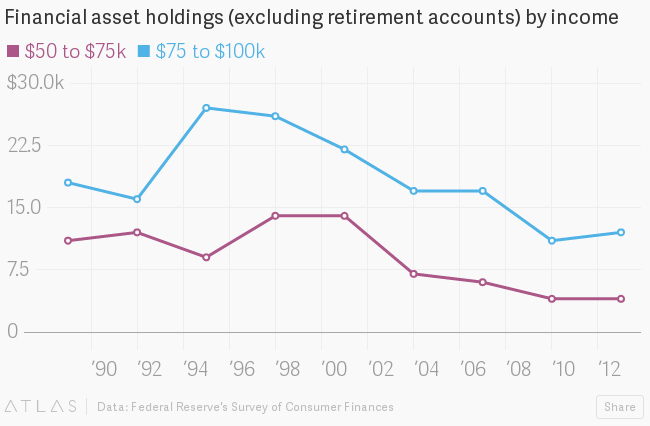
America is full of high-earning poor people

poor rich

America is full of high-earning poor people” is an interesting article, with lots of charts and statistics, on how poor even high earning households are in America.  The problem is, of course, not unique to the United States.

The fact that the average upper-middle-class household has just $12,200 in non-pension financial wealth is disturbing. Even worse, within that group, about 25% of the higher earning population had only $3,200 in 2013. It’s no wonder one quarter of all American households couldn’t come up with $2,000 if they faced an emergency—it’s not just low earners.
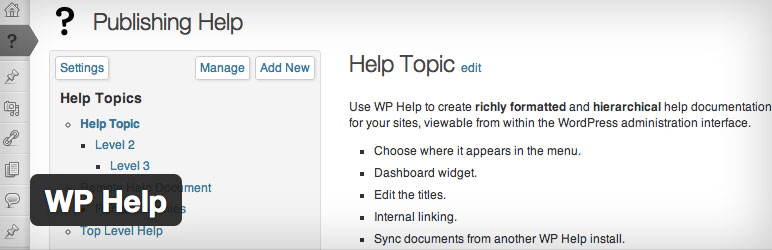
Best WordPress Plugins – Over 40 Hand-Tested Plugins!

wp-help

Best WordPress Plugins is an excellent collection of plugins for all sorts of things – from posts and comments management to podcasting and security.  Some are free, others – commercial.  I’m sure that even if you’ve been running a WordPress site for years, you’ll still find something new for you here.

The Definitive Guide to Natural Language Processing

The Definitive Guide to Natural Language Processing” is an easy to follow article on what a challanging task it is for machines to understand human language.  There’s also this cool video of two bots talking to each other.

27 languages to improve your Python

Nick Coghlan writes:

One of the things we do as part of the Python core development process is to look at features we appreciate having available in other languages we have experience with, and see whether or not there is a way to adapt them to be useful in making Python code easier to both read and write. This means that learning another programming language that focuses more specifically on a given style of software development can help improve anyone’s understanding of that style of programming in the context of Python.

To aid in such efforts, I’ve provided a list below of some possible areas for exploration, and other languages which may provide additional insight into those areas.

The languages and areas are:

  • Procedural programming: C, Rust, Cython
  • Object-oriented data modelling: Java, C#, Eiffel
  • Object-oriented C derivatives: C++, D
  • Array-oriented data processing: MATLAB/Octave, Julia
  • Statistical data analysis: R
  • Computational pipeline modelling: Haskell, Scala, Clojure, F#
  • Event driven programming: JavaScript, Go, Erlang, Elixir
  • Gradual typing: TypeScript
  • Dynamic metaprogramming: Hy, Ruby
  • Pragmatic problem solving: Lua, PHP, Perl
  • Computational thinking: Scratch, Logo